
Applications and data
Know what changes when you change an application.
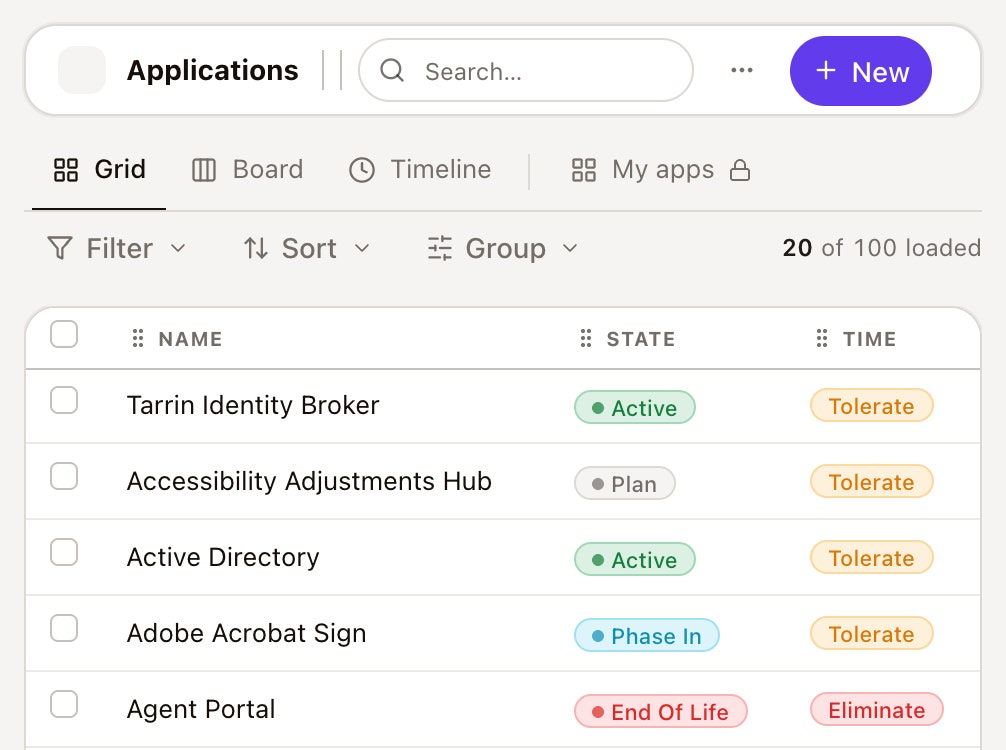
Every application with its lifecycle, fit and criticality, the interfaces and data that move through it, and the components it runs on.
Most architecture tools show what you run. AlignX also shows why: the investment that funded it, the decision that approved it and the controls that hold it, so the architect is in the decision before the money is committed.

The information already exists. It sits across repositories, spreadsheets, diagrams and meetings, so simple questions turn expensive.
Someone has to find its capabilities, interfaces, data, technology and the contract behind it, by hand, before anyone can say.
Architects are usually asked after the option is shaped and the money is half committed.
The rationale is in a document, an email or a meeting, if it was written down at all.
Architecture ends up a document about the enterprise, instead of part of how it decides.
Seven connected records, from the capability a strategy needs to the controls that hold the change to standard.
Five views of the same records, so every answer starts from the same facts.
Applications and data
Every application with its lifecycle, fit and criticality, the interfaces and data that move through it, and the components it runs on.
Technology
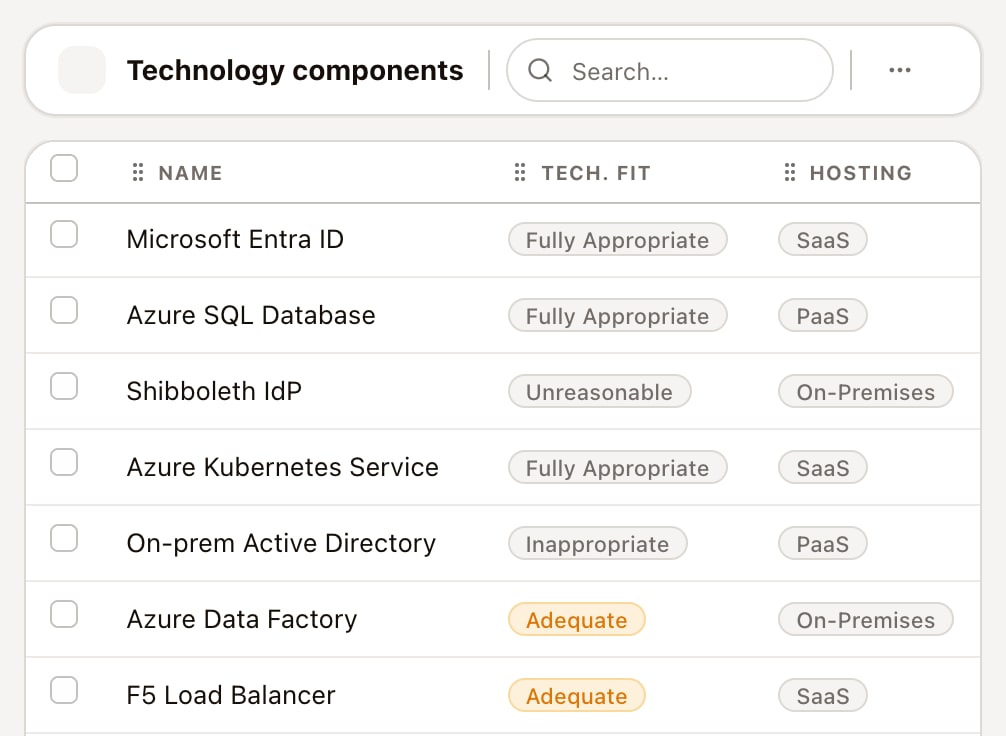
Components with their technical fit, hosting and single sign-on state, against the standards you run.
Capabilities
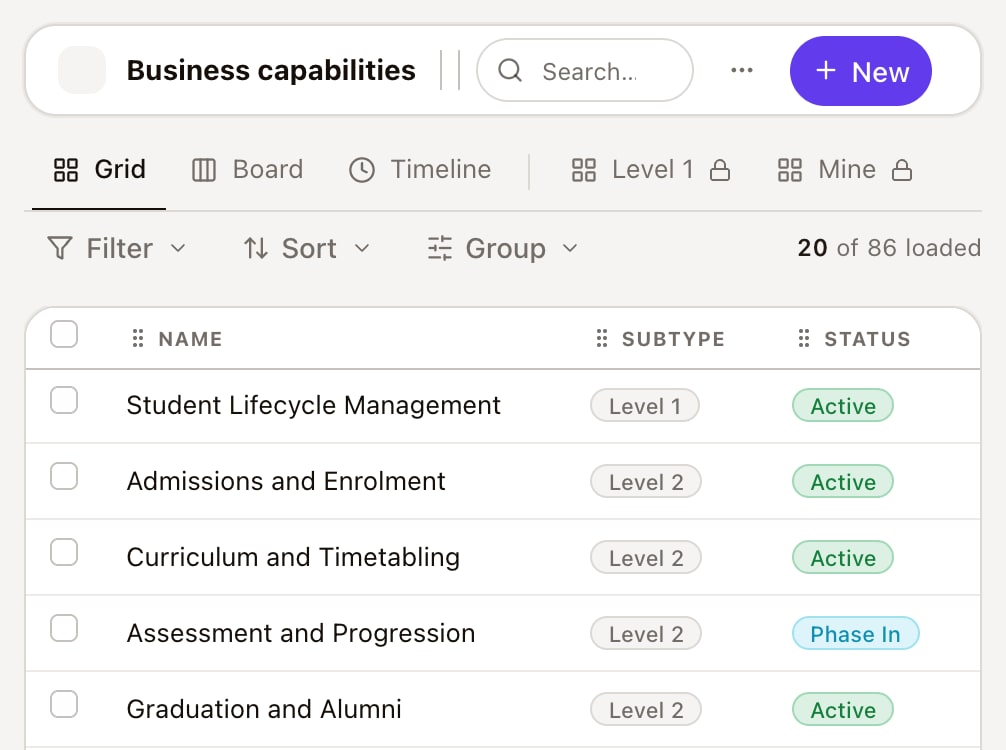
A two-level capability map with owners and lifecycle dates, linked to the applications that enable each capability.
Vendors and contracts
The provider and contract behind each component, with its notice period and renewal.
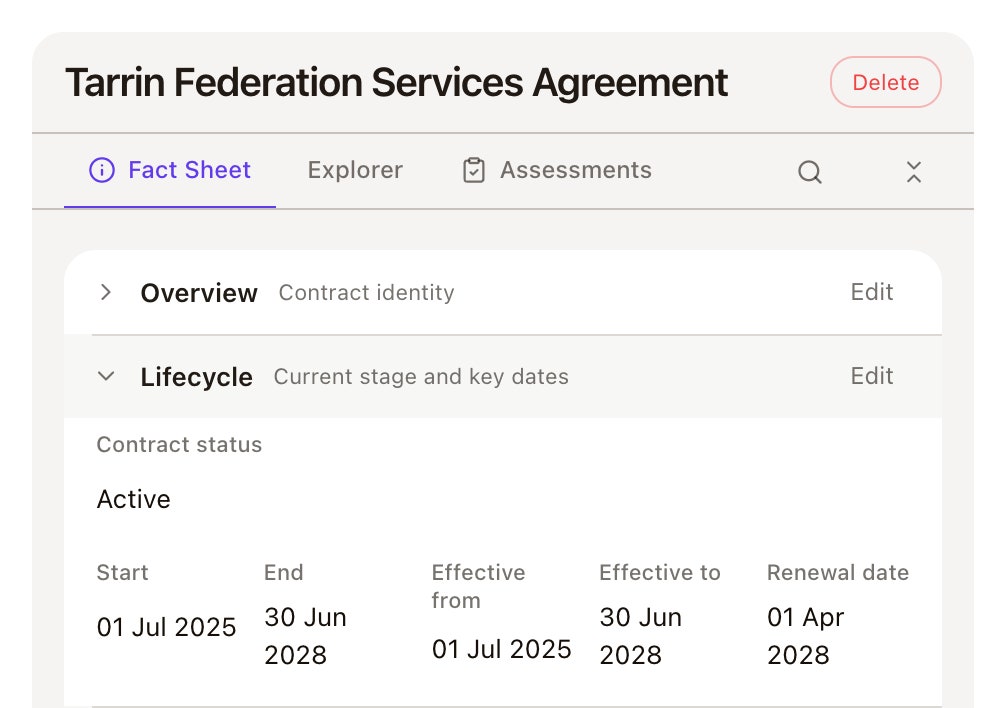
Decisions and assurance
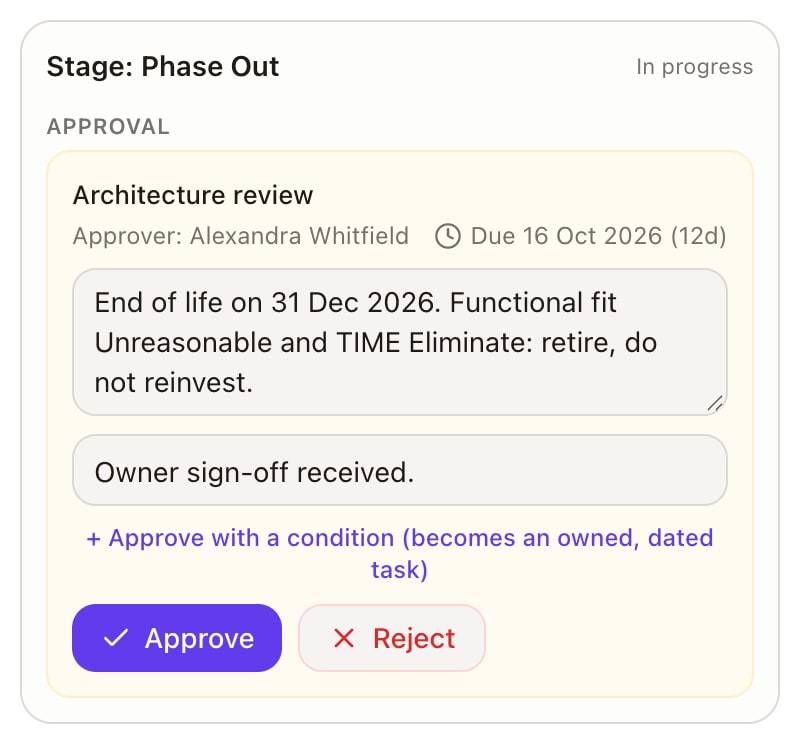
Decisions with their outcome, rationale and authority, and the controls, issues and risks on every asset.

Every relationship on the record. Full context for every decision.
See impact sooner
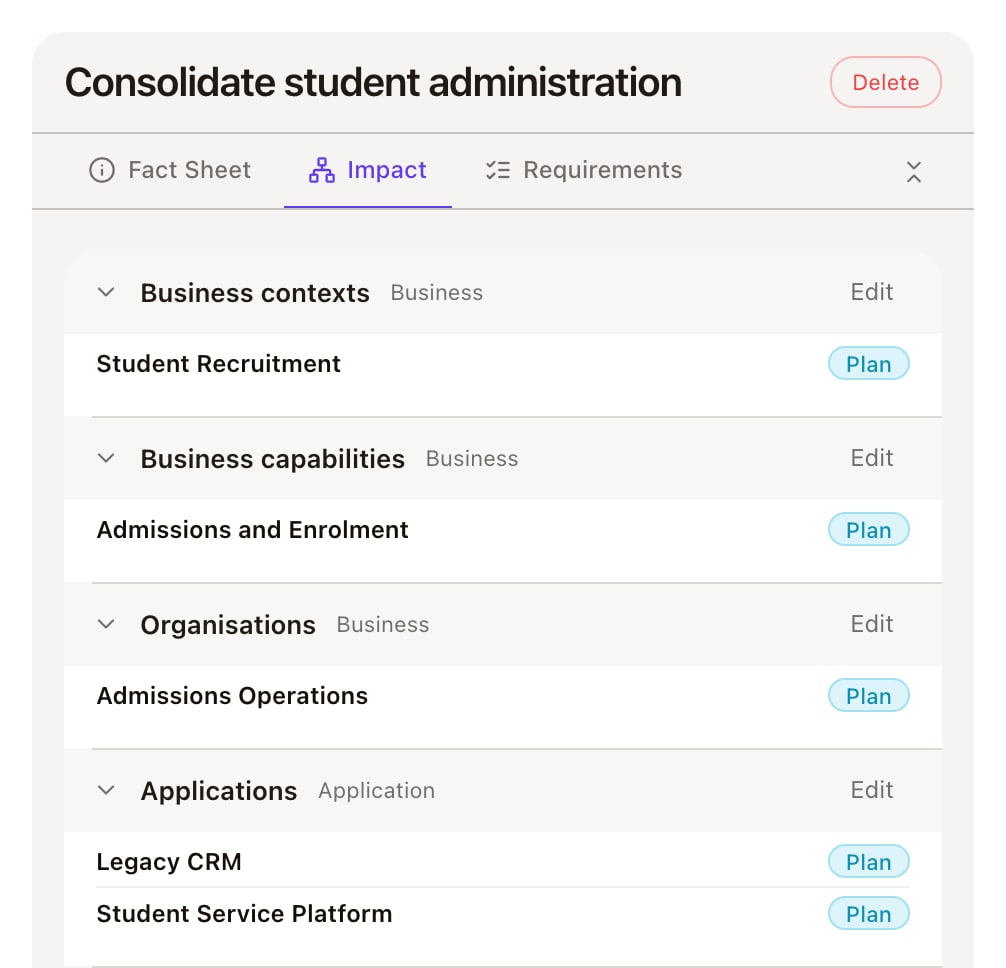
What a change touches across capabilities, applications, data, technology and vendors is known before it moves.
Reduce unnecessary complexity
Overlapping applications and those marked for elimination are visible by capability, not found in a study.
Make governance part of the work
Reviews, decisions, controls and exceptions stay on the things they govern.
Architecture shouldn't just describe the enterprise. It should help decide what happens next.
You don't need to redraw everything to get value from AlignX.
Built inside your Microsoft 365. Your data. Your controls. Your model.
At intake. A proposal names the capabilities and applications it will touch, so the architect sees it before the money is decided, not after.