For the Enterprise Architect
Get into the decision early. Show impact and dependencies before commitment.
Architecture connected to strategy, investment and delivery in one model, so you can lead with context, not just standards.
Less time on impact analysis
-40%
Platform consolidation endorsed
Full lineage captured · Enterprise Architect
30 to 50%
less time on impact analysis
20 to 40%
fewer redundant applications
Weeks
to value, not quarters
The challenge
You know these walls.
Brought in late
You are brought in too late, after options are chosen and budgets set.
Stale architecture data
Architecture data is stale, scattered and hard to act on.
Slow impact analysis
Impact and dependency analysis takes too long.
Value beyond compliance
It is hard to show the value of architecture beyond compliance.
Impact and dependencies
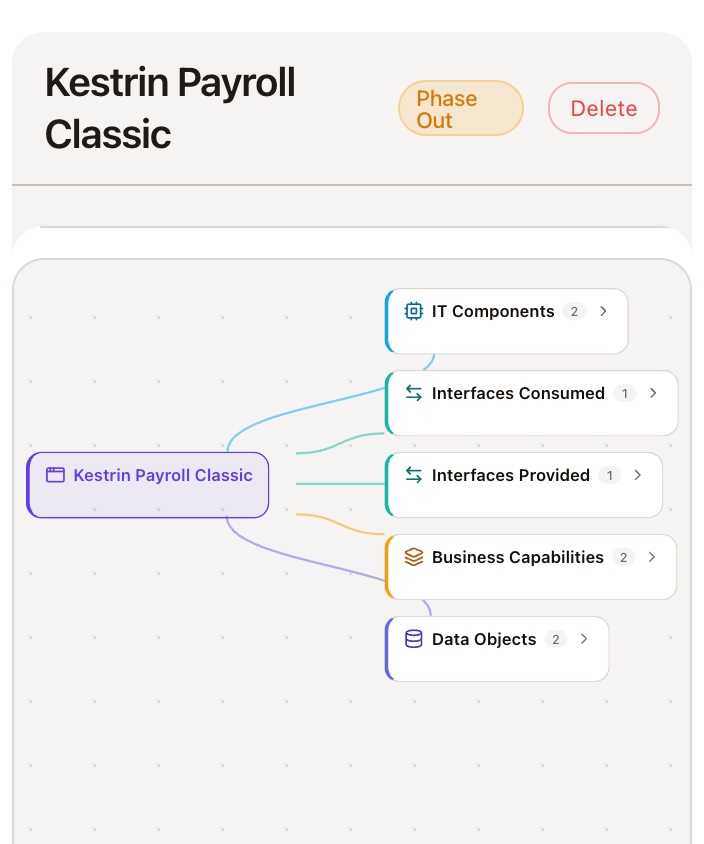
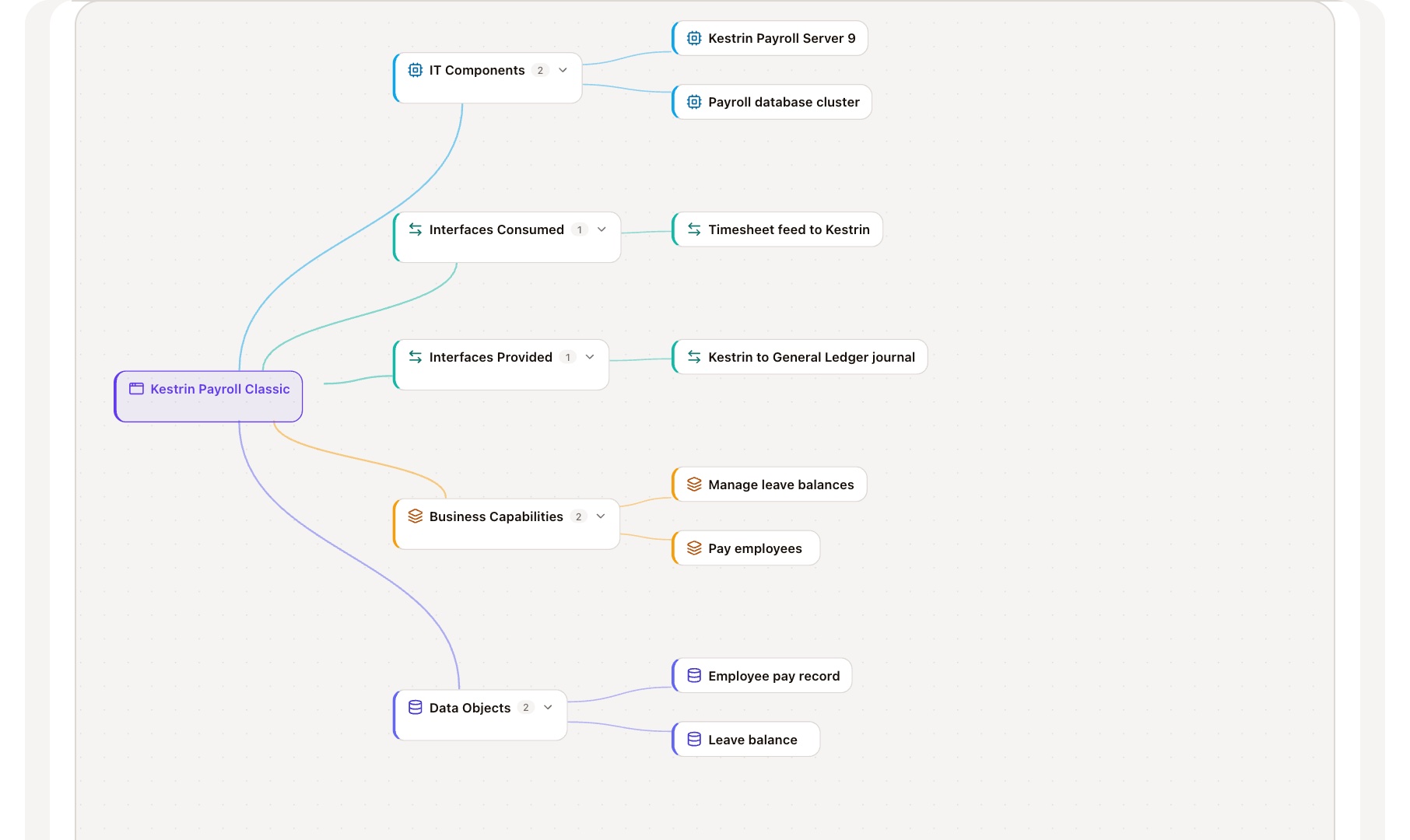
See how changes affect applications, capabilities, data, people and risk.
- Get into decisions earlier, with real-time insight into proposals
- Duplication and risk flagged, reviewers recommended before commitment
- See the full impact and understand dependencies
Stay current
Maintain a live architecture that evolves with the enterprise.
- Compare options with architecture, risk, cost and capacity in view
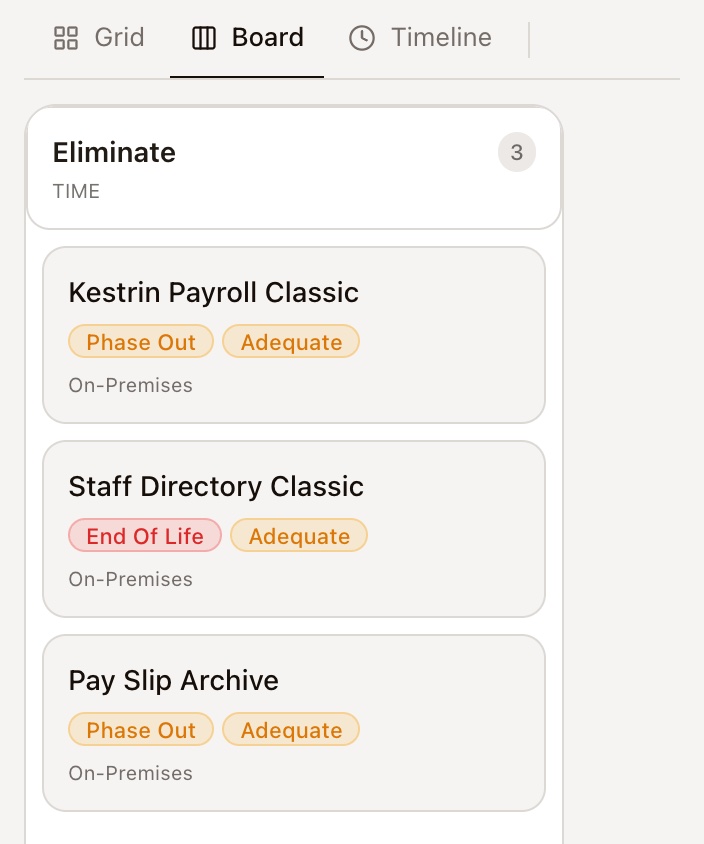
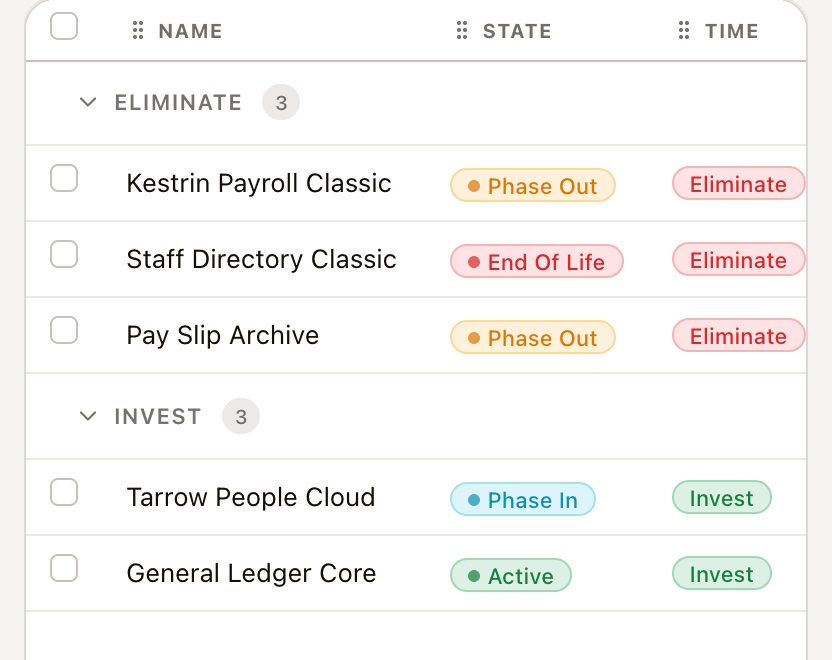
- Fewer redundant applications
- Faster, better-informed decisions
Demonstrate value
Speak the language of the business with evidence that matters.
- Quantify value, reduce duplication and accelerate delivery
- Design with confidence
- Stronger adoption of architecture
“With AlignX, we are involved earlier, our advice is acted on, and the solutions we design actually deliver what the business needs.”
Enterprise Architect, Australian Government Agency
What Enterprise Architects ask us.
Does AlignX replace our EA tool (LeanIX, Ardoq, Sparx, Bizzdesign)?
Yes, for most organisations. AlignX can import data from your existing enterprise architecture repositories and offers a more accessible UX for non-architects. Where you keep a specialist tool for deep modelling, AlignX integrates. Most EA teams consolidate onto AlignX within six months because architecture, portfolio and risk finally share one truth.
How does AlignX integrate with our ITSM and CMDB?
Two-way integration with ServiceNow ITSM/CMDB and Jira Service Management (JSM). Applications, services, infrastructure and dependencies flow into the AlignX model automatically. Your CMDB stays the source of truth for CI-level data. AlignX layers business capability, ownership, portfolio and risk context on top of it.
How does AlignX handle capability, application, technology, data and business models in one place?
One connected metamodel across capability, application, technology, data, business process and organisation. Relationships are first-class (not tags), so you can traverse the architecture in any direction: which apps support this capability, which capabilities this initiative uplifts, which risks affect this data domain.
How do we import our existing capability map, application catalogue and EA artefacts?
Import via CSV and Excel. Migration typically completes in two to four weeks including data cleanup. AlignX imports the relationships between records, not just the records themselves, so lineage survives the migration.
Can architects, PMO and risk teams see the same source of truth without stepping on each other?
Yes. Role-based views mean architects see the architecture lens, PMO sees the delivery lens, risk sees the risk lens, all against the same underlying model. Comment threads and reviews sit on the record, not in a separate tool.
How does AlignX support architecture review boards and Technical Design Authority (TDA) governance?
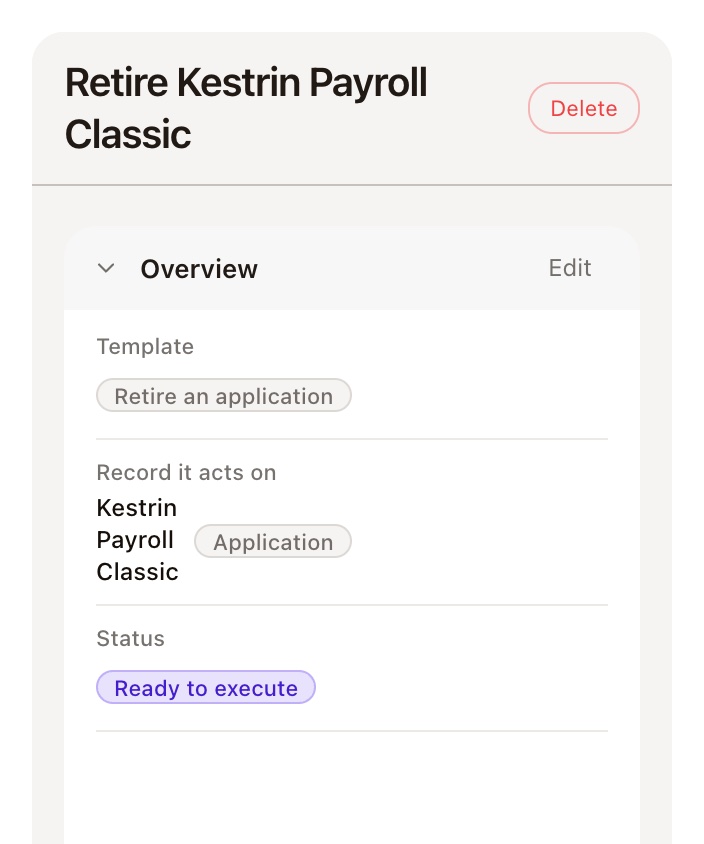
Configurable review workflows for architecture decisions, design reviews and TDA gates. Every decision links to the affected components with rationale, options considered and approver captured. Your architecture repository becomes the decision record automatically.
What tools can we retire when we move architecture into AlignX?
Typically your standalone EA tool (LeanIX, Ardoq, Sparx, Bizzdesign), your architecture repository (SharePoint or Confluence libraries of Visio), your capability planning spreadsheets, and often your APM tool. Combined licence saving is usually enough to fund the AlignX rollout with change to spare.
See where you stand.
Ten minutes, twenty-one questions, an instant maturity score and your Fragmentation Index.